What Is AI-Driven Personalization?
AI-driven personalization uses machine learning tools to analyze visitor data and automatically show content that fits each user’s needs.
Examples:
- Showing different hero headlines based on user location
- Recommending products based on browsing behavior
- Changing CTAs depending on the stage of the buyer journey
- Offering custom content suggestions (blogs, case studies, resources)
- Delivering AI-generated text or recommendations in real time
AI personalization = higher conversions, deeper engagement, and better UX.
Why Webflow Is Perfect for AI Personalization
Webflow gives you:
- Full design freedom
- CMS collections for dynamic content
- Custom code blocks for AI tools
- API support
- Speed + stability thanks to Webflow hosting
Combined with the right integrations, it becomes a powerful personalization engine.
How to Create AI-Driven Personalization in Webflow
Below are the 4 most effective methods from no-code to advanced setups.
Use AI Personalization Platforms (Easiest + Most Powerful)
These tools plug directly into Webflow via embed code or script, and personalize content for each visitor.
Best AI personalization tools for Webflow:
- Mutiny – AI-driven B2B personalization
- Proof Pulse + Experiences – social proof + personalized messaging
- Unless.com – dynamic content swapping
- Adobe Target – enterprise-grade personalization
- GrowthBook – AI-assisted A/B testing and personalization
- Optimizely – smart experiments + AI segmentation
What you can personalize:
- Headings
- CTAs
- Hero sections
- Testimonials
- Product recommendations
- Industry-specific content
How to install (example: Mutiny)
- Create an account
- Copy the script
- In Webflow → go to Project Settings → Custom Code (Head)
- Paste the script
- Publish your website
- Create personalized experiences inside the platform
No need to edit your site each time the AI tool handles the personalization.
Personalize Using Webflow CMS + User Segments
This method uses:
- Webflow CMS
- Conditional visibility
- User login or membership data
Examples of personalization using CMS
- Show different content for:
- Returning users
- Logged-in members
- Different subscription tiers
- Different industries
- Personalized blog recommendations
- Dynamic product suggestions
How to implement
- Create CMS Collections for:
- Recommendations
- User groups
- Industries / personas
- Use conditional visibility in Webflow Designer
- Connect components to CMS fields
- Hide/show sections depending on:
- User type
- CMS flags
- User location (via scripts)
This is great for gated content, dashboards, and SaaS websites.
AI Chatbots and Assistants (Live Personalized UX)
Embed AI chatbots into Webflow to deliver real-time personalization.
Best AI chatbots for Webflow:
- Intercom AI
- Tidio AI
- Crisp
- ManyChat AI
- Chatbase
- Custom GPT bots via API or Make/Zapier
What they can personalize:
- Recommend products
- Provide custom support
- Guide users through funnels
- Suggest content
- Generate answers based on knowledge bases
How to install
- Copy chatbot embed script
- Add it to Project Settings → Custom Code → Footer
- Publish
That’s it the AI assistant is now live and personalizing the experience for every visitor.
Build Custom Personalization Using APIs (Advanced)
If you want full control, you can create custom personalization features using:
- Webflow API
- OpenAI API
- Make.com automations
- JavaScript triggers
Examples of custom AI personalization
- AI-written product recommendations
- Custom AI-written welcome messages
- Blog suggestions based on reading history
- Email personalization connected to Webflow forms
- Rewriting page content dynamically with JavaScript + AI API
Implementation example: AI personalized hero text
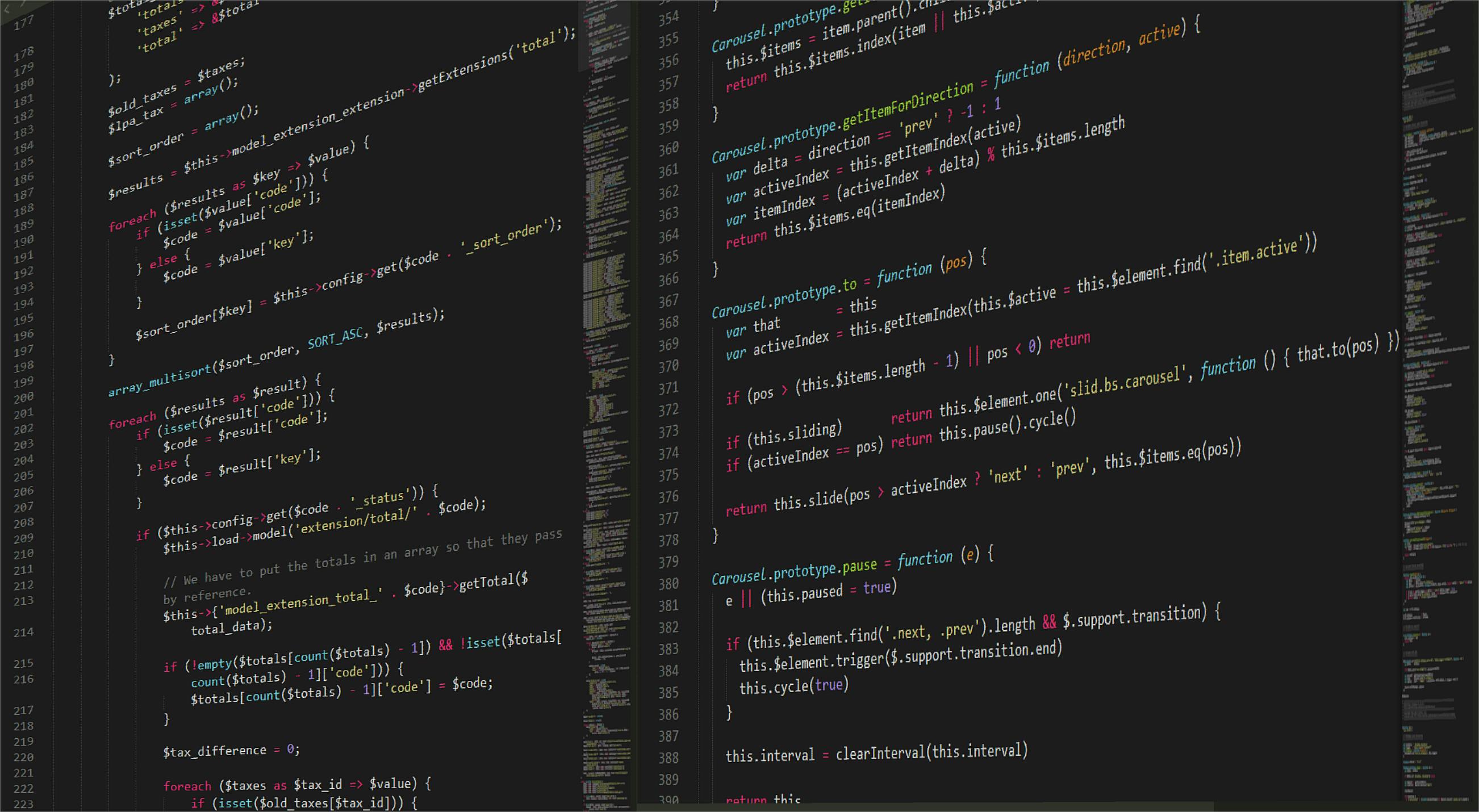
<script>
async function personalize() {
  const res = await fetch("YOUR_AI_ENDPOINT", {
    method: "POST",
    body: JSON.stringify({
      page: window.location.href,
      location: userLocation,
      interests: storedInterests
    })
  });

  const data = await res.json();
  document.querySelector(".hero-heading").innerText = data.customHeading;
}

personalize();
</script>
You can host the AI endpoint on:
- Vercel
- Make.com
- Zapier
- Firebase Cloud Functions
This gives you complete customization.
AI-driven personalization is no longer a “nice-to-have.”
It’s now one of the biggest conversion drivers for modern websites.
With the right setup, Webflow allows you to:
- Swap content dynamically
- Personalize based on behavior
- Recommend content or products
- Offer AI-powered real-time assistance
- Build completely custom personalized funnels
Whether you prefer no-code or advanced AI integrations, Webflow makes personalization scalable and visually seamless.
.svg)



.jpg)

.jpg)
.jpg)



.jpg)